Chewing Gum Removal: Why Heat Can Make the Difference
Chewing gum sticks stubbornly to footpaths, shop entrances and outdoor seating areas. Once flattened by shoes, it can collect dirt and lodge in textured surfaces, making ordinary washing ineffective. For property owners in Ballina, NSW, controlled heat can make chewing gum removal easier—provided the equipment and technique suit the surface.
How Heat Helps Release Chewing Gum
Chewing gum contains a water-resistant gum base, so water alone does not readily dissolve it. Heat softens that base, helping loosen https://emilianomkbr440.hexaforgey.com/posts/commercial-cleaning-schedules-for-busy-ballina-businesses its grip on the material underneath. A suitable scraper, hot-water cleaning system or purpose-built steam gum remover can then lift the softened residue.
The key is controlled application. Simply warming gum and rubbing it can spread the sticky material over a larger area. Effective removal combines heat with careful lifting and collection, rather than pushing residue across the surface.
Steam, Hot Water or Cold Scraping?
Steam and Hot-Water Cleaning
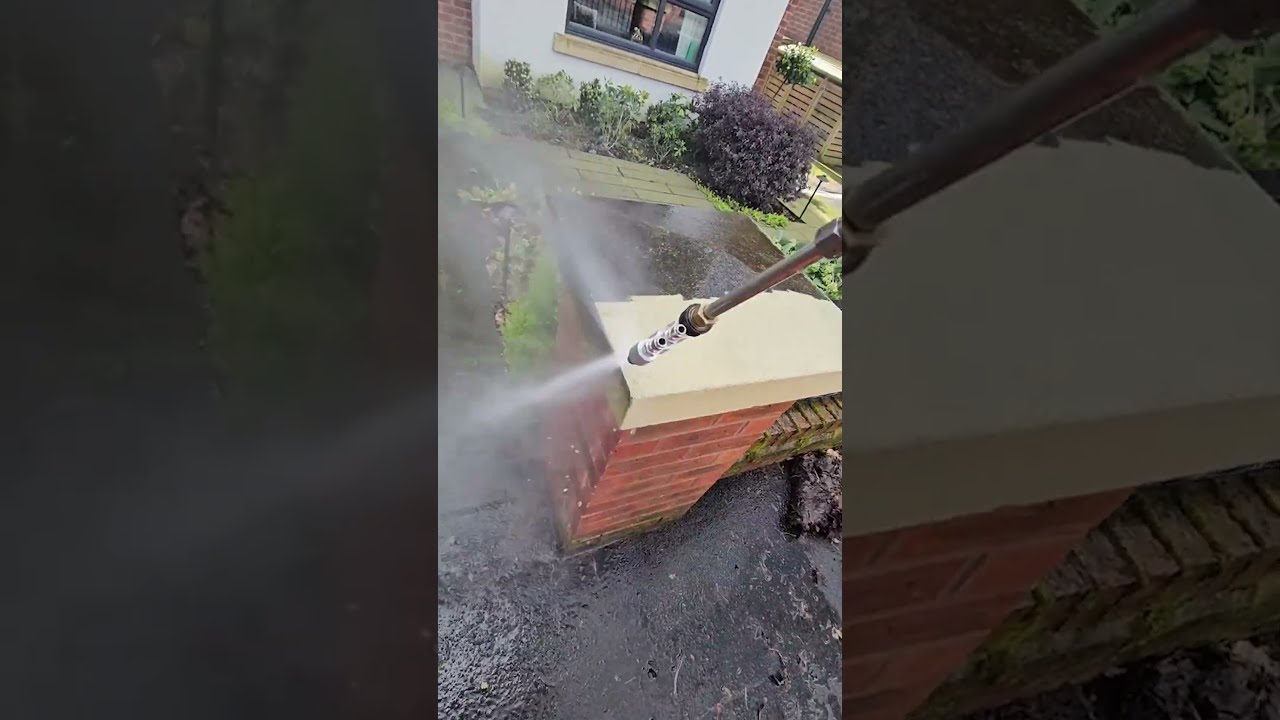
Professional steam equipment delivers concentrated heat to individual gum deposits. Hot-water pressure cleaning can also help remove gum from suitable hard surfaces while cleaning surrounding dirt. Neither method requires maximum pressure: excessive force can erode concrete, dislodge paving joint material or damage coatings.
Cold Removal
For a small, fresh deposit, chilling the gum with a sealed ice pack can make it firmer and easier to lift with a plastic scraper. This offers a practical alternative where heat could damage the surface. Older gum embedded in rough concrete may need a more specialised approach.
Match the Method to the Surface
- Concrete and pavers: Test a discreet area first. Weathered concrete, decorative finishes and loose joints need particular care.
- Natural stone: Check the stone type and any sealer before using heat, pressure or cleaning chemicals.
- Painted surfaces, timber and composites: Avoid assuming steam is safe. Heat and moisture may affect finishes or distort some materials.
- Carpet and upholstery: Do not use outdoor pressure-cleaning methods. Follow the fabric care instructions or seek specialist cleaning advice.
Practical Advice for Ballina Properties
For shops, hospitality venues and strata properties in Ballina, inspect entrances and outdoor walkways regularly. Removing deposits promptly helps prevent repeated foot traffic from pressing gum deeper into textured surfaces.
Schedule cleaning when pedestrian traffic is low, isolate the work area and keep access restricted until the surface is safe to walk on. Steam, hot water and freshly cleaned paving can create burn and slip hazards.
Keep gum fragments, cleaning chemicals and dirty washwater out of stormwater drains. Plan for collection and appropriate disposal before work begins, especially around outdoor dining areas and street-facing entrances. Check relevant Ballina Shire Council requirements if cleaning affects public footpaths or shared access.
When to Call a Professional
Professional chewing gum removal is worth considering for numerous deposits, delicate finishes or gum that remains after gentle scraping. Ask the provider how they assess surfaces, control heat and pressure, and collect wastewater. Although heat often improves removal, it may not eliminate every residual mark or colour difference. A test patch helps establish realistic expectations without risking unnecessary damage.
Ballina Pressure Cleaning
0440 133 837